
Training hard in the gym is only part of the muscle-building equation. What you eat every day plays an equally important role in how your body recovers, adapts, and grows stronger. Choosing the right high protein foods for muscle building helps repair muscle tissue, supports strength gains, and improves overall performance. When protein intake is consistent and balanced, your workouts become far more effective.
Many people lift weights regularly but struggle to see noticeable muscle growth. In most cases, the issue is not training intensity, but nutrition. Protein provides the building blocks your muscles need to repair and grow after workouts. Without enough protein, progress slows, recovery suffers, and strength gains plateau. The good news is that muscle-building nutrition does not have to be complicated. By focusing on quality protein sources and spreading them throughout the day, you can support muscle growth in a realistic and sustainable way.
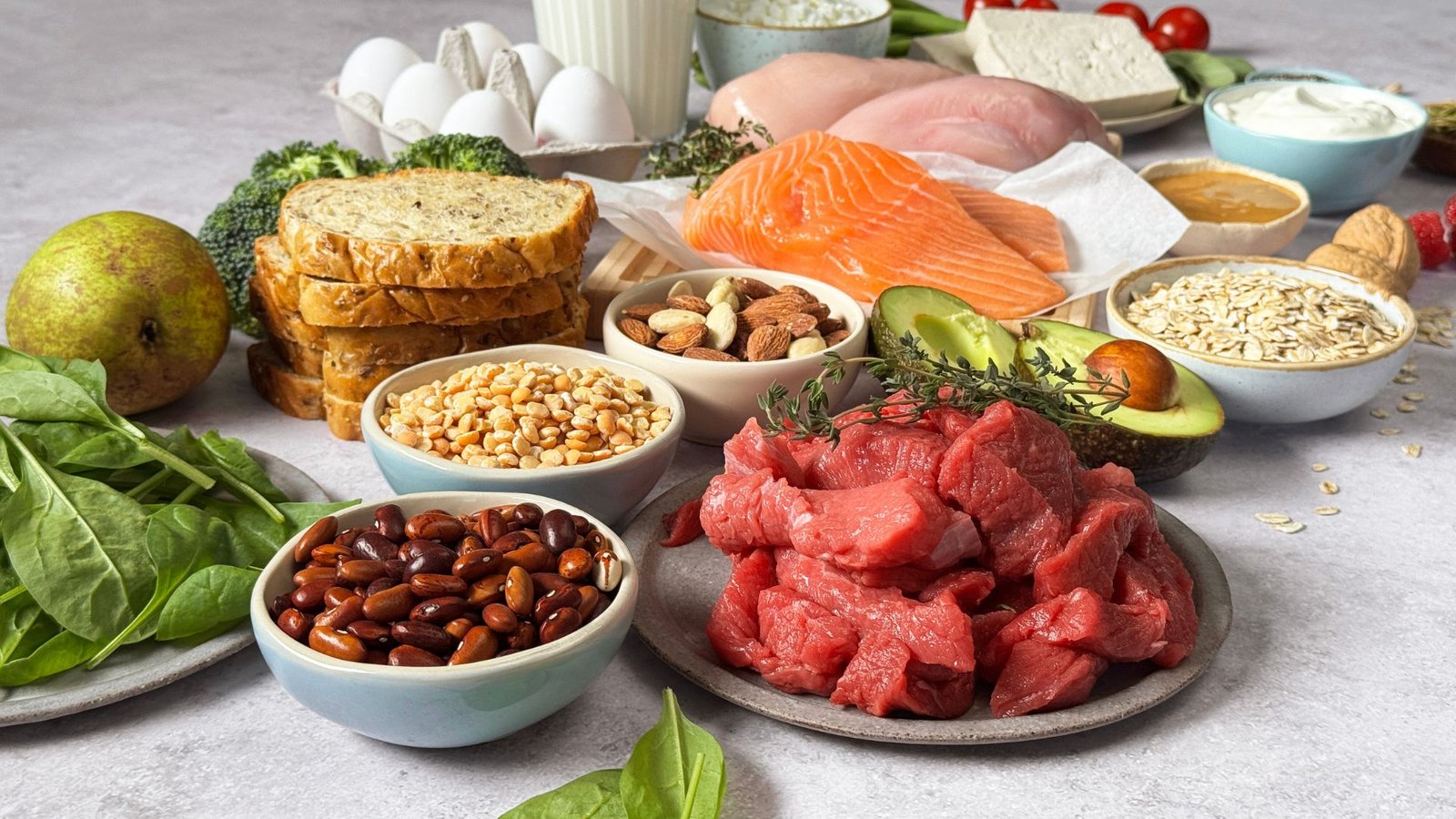
Why Protein Matters for Muscle Building
Protein is made up of amino acids, which are essential for muscle repair and growth. During strength training, muscle fibers experience small amounts of stress and damage. Protein helps rebuild these fibers stronger than before, leading to increased muscle size and strength over time.
Consuming enough protein also helps preserve lean muscle mass, supports metabolism, and improves recovery between workouts. For muscle building, total daily protein intake is important, but consistency across meals matters just as much.
Animal-Based High Protein Foods for Muscle Building
Animal-based protein sources are often considered complete proteins because they contain all essential amino acids needed for muscle growth.
Lean meats such as chicken breast, turkey, and lean beef are excellent high protein foods for muscle building. They provide a large amount of protein with relatively low fat, making them ideal for supporting muscle growth without excessive calories.
Eggs are another powerful option, offering a complete amino acid profile along with healthy fats and key nutrients. Fish such as salmon, tuna, and cod deliver high-quality protein while also providing omega-3 fatty acids, which may help reduce muscle soreness and support recovery.
Dairy products like Greek yogurt, cottage cheese, and milk are also valuable protein sources. These foods are especially useful post-workout due to their combination of fast- and slow-digesting proteins.
Plant-Based High Protein Foods for Muscle Building
Muscle building is absolutely possible on a plant-based diet when meals are planned properly. While some plant proteins are incomplete on their own, combining different sources throughout the day ensures adequate amino acid intake.
Legumes such as lentils, chickpeas, and black beans are rich in protein and fiber, supporting digestion and sustained energy. Soy-based foods like tofu, tempeh, and edamame are complete proteins and excellent choices for muscle building.
Whole grains such as quinoa provide more protein than most grains and contribute essential amino acids. Nuts and seeds, including almonds, chia seeds, and pumpkin seeds, add protein along with healthy fats that support hormone balance and overall health.
How Much Protein Do You Need?
Protein needs vary depending on body weight, activity level, and training goals. Individuals focused on muscle building generally benefit from higher protein intake spread evenly throughout the day.
Rather than focusing on a single large protein-heavy meal, aim to include protein at every meal and snack. This approach supports continuous muscle protein synthesis and improves recovery.
Sample High Protein Meal Program
Below is a simple sample daily program featuring high protein foods for muscle building. Portion sizes can be adjusted based on calorie needs and activity levels.
| Meal | Food Choices | Protein Source |
|---|---|---|
| Breakfast | Eggs, whole-grain toast, Greek yogurt | Eggs and dairy |
| Mid-Morning Snack | Protein smoothie with milk and fruit | Milk-based protein |
| Lunch | Grilled chicken, quinoa, vegetables | Lean poultry |
| Afternoon Snack | Cottage cheese with berries | Dairy protein |
| Dinner | Salmon, sweet potato, mixed salad | Fish protein |
| Evening Snack | Tofu or mixed nuts | Plant-based protein |
This structure provides consistent protein intake throughout the day to support muscle repair and growth.
Common Protein Mistakes to Avoid
One common mistake is relying too heavily on supplements while neglecting whole foods. Protein powders can be convenient, but they should support a balanced diet, not replace it.
Another issue is inconsistent intake. Eating plenty of protein on training days but very little on rest days can slow progress. Muscle building requires steady nutrition, even on non-training days.
Supporting Muscle Growth Beyond Protein
While protein is essential, muscle building also requires adequate calories, carbohydrates for training energy, healthy fats, hydration, and quality sleep. Strength training provides the stimulus, but nutrition and recovery determine the results.
Combining smart training with high protein foods for muscle building creates an environment where consistent progress can occur.
Start Fueling Your Muscle Building Goals Today
If you want to maximize your results in the gym, start prioritizing high protein foods for muscle building in your daily routine. Plan your meals, stay consistent, and support your training with proper recovery. For personalized guidance, consider working with a fitness or nutrition professional who can tailor your intake to your goals. Take action today and give your body the fuel it needs to grow stronger and healthier.