
Visceral fat is more than just belly fat—it’s the deep abdominal fat that wraps around your organs. High levels of visceral fat increase the risk of heart disease, type 2 diabetes, and inflammation. The good news? You can get rid of visceral fat naturally and safely without extreme diets or exhausting workouts.
In this guide, we’ll explore effective strategies for losing visceral fat, including nutrition, exercise, and lifestyle habits, along with a sample program you can follow to start seeing results.
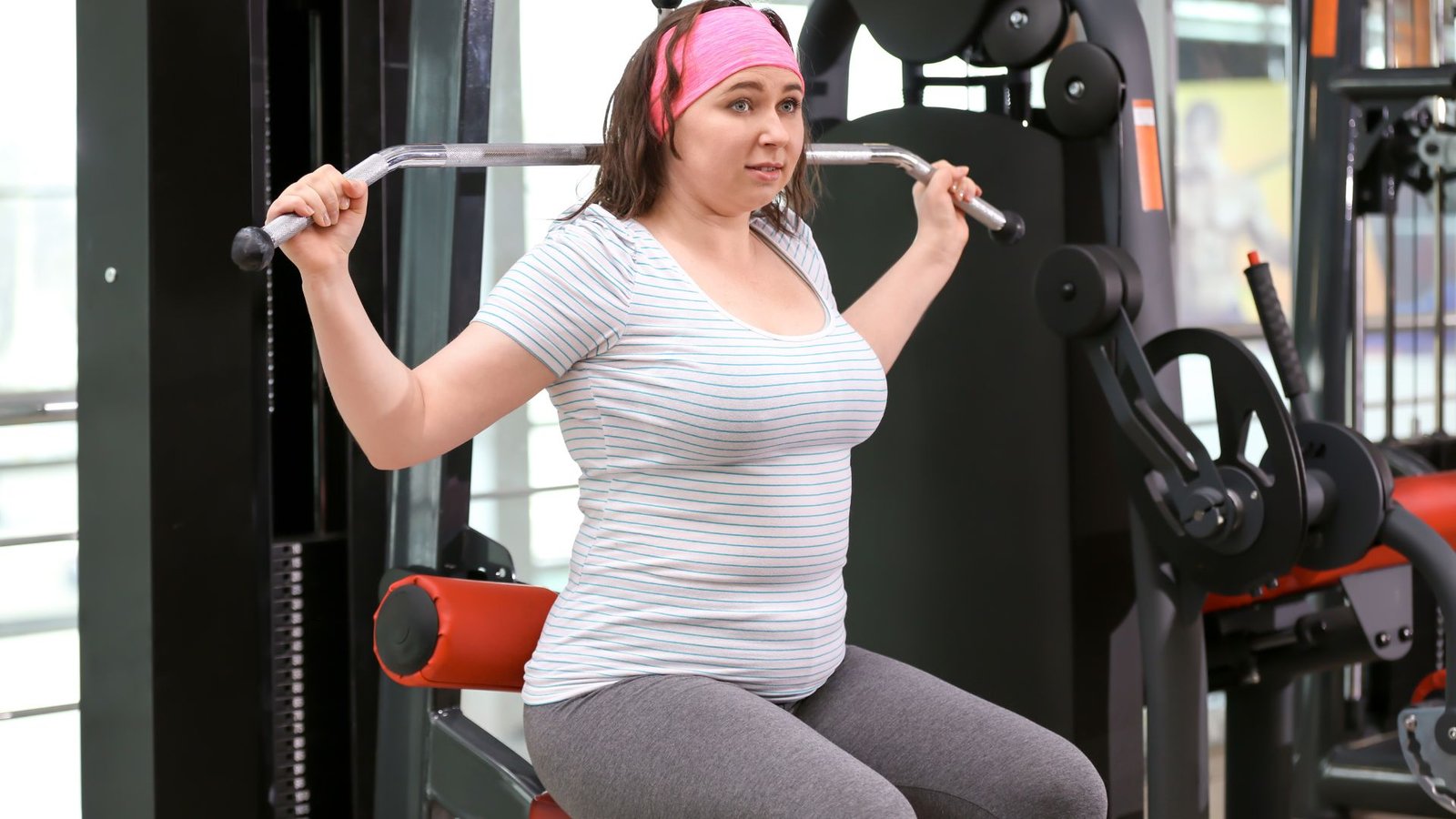
Understanding Visceral Fat and Its Risks
Visceral fat differs from subcutaneous fat, which sits just under the skin. Because visceral fat surrounds vital organs like the liver, pancreas, and intestines, it produces harmful hormones and inflammatory compounds.
High levels of visceral fat are linked to:
Increased risk of heart disease
Type 2 diabetes
Insulin resistance
Hormonal imbalances
Reducing visceral fat is not just about appearance—it’s about protecting your long-term health.
Nutrition Tips to Get Rid of Visceral Fat
A healthy diet is crucial when trying to get rid of visceral fat. Focus on sustainable, nutrient-rich foods instead of crash diets.
Eat more:
Lean proteins: eggs, chicken, fish, tofu
High-fiber vegetables and fruits
Healthy fats: avocados, nuts, olive oil
Whole grains: oats, quinoa, brown rice
Limit:
Sugary foods and drinks
Refined carbohydrates
Excess alcohol
Processed foods high in trans fats
Eating whole, nutrient-dense foods not only helps reduce visceral fat but also improves energy and overall health.
Exercise to Target Visceral Fat
Exercise is one of the most effective ways to get rid of visceral fat naturally. Both cardio and strength training are important.
Cardio: Activities like brisk walking, jogging, cycling, and swimming increase calorie burn and help reduce abdominal fat. Aim for 150–300 minutes per week of moderate-intensity cardio.
Strength Training: Lifting weights or performing bodyweight exercises builds lean muscle, which boosts metabolism and promotes fat loss. Focus on full-body workouts that engage large muscle groups.
Sample Weekly Program to Reduce Visceral Fat
| Day | Workout Type | Details |
|---|---|---|
| Monday | Full-Body Strength | Squats, push-ups, dumbbell rows, planks (45 min) |
| Tuesday | Cardio | Brisk walking or cycling (30–40 min) |
| Wednesday | Upper Body Strength | Chest, shoulders, arms (40–50 min) |
| Thursday | Active Recovery | Yoga or stretching (20–30 min) |
| Friday | Lower Body Strength | Deadlifts, lunges, glutes, core |
| Saturday | Cardio | Interval training or steady-state cardio |
| Sunday | Rest | Light movement and recovery |
This routine balances strength and cardio to maximize visceral fat reduction while improving overall fitness.
Lifestyle Habits to Support Fat Loss
Even with proper nutrition and exercise, lifestyle habits play a significant role in reducing visceral fat.
Sleep: Aim for 7–9 hours of quality sleep per night. Poor sleep increases cortisol, a hormone linked to fat storage.
Stress Management: Chronic stress contributes to visceral fat accumulation. Try meditation, deep breathing, walking, or hobbies to lower stress levels.
Consistency: Fat loss is gradual. Small, consistent changes in your routine are more effective than extreme measures.
Common Myths About Visceral Fat Loss
Myth: You can spot-reduce visceral fat with abdominal exercises.
Fact: Targeted exercises strengthen muscles but do not specifically burn fat. Overall fat loss is needed.Myth: Supplements alone can eliminate visceral fat.
Fact: No pill can replace diet, exercise, and lifestyle changes. Supplements may support your plan but are not a solution on their own.
Understanding these truths helps you set realistic expectations and avoid frustration.
Reduce Visceral Fat Safely and Effectively
Getting rid of visceral fat naturally takes time, patience, and a holistic approach. By combining a balanced diet, consistent exercise, and healthy lifestyle habits, you can achieve meaningful results and improve long-term health.
Start Your Journey to a Healthier Core
Take control of your health today. Begin with simple changes like incorporating strength training, increasing fiber intake, and managing stress. Consistency is key, and even small steps can significantly reduce visceral fat and enhance your overall well-being. Commit to your plan now and make sustainable fat loss a reality.