
Building muscle does not require you to max out every week or train like a powerlifter. Heavy lifting can be useful, but muscle hypertrophy mainly comes from challenging your muscles with enough tension, effort, volume, and recovery. If you have ever wondered, “Is lifting heavy necessary to build muscle?”, the practical answer is no—but learning when to go heavier can make your strength training more effective.
Do you have to lift heavy to build muscle?
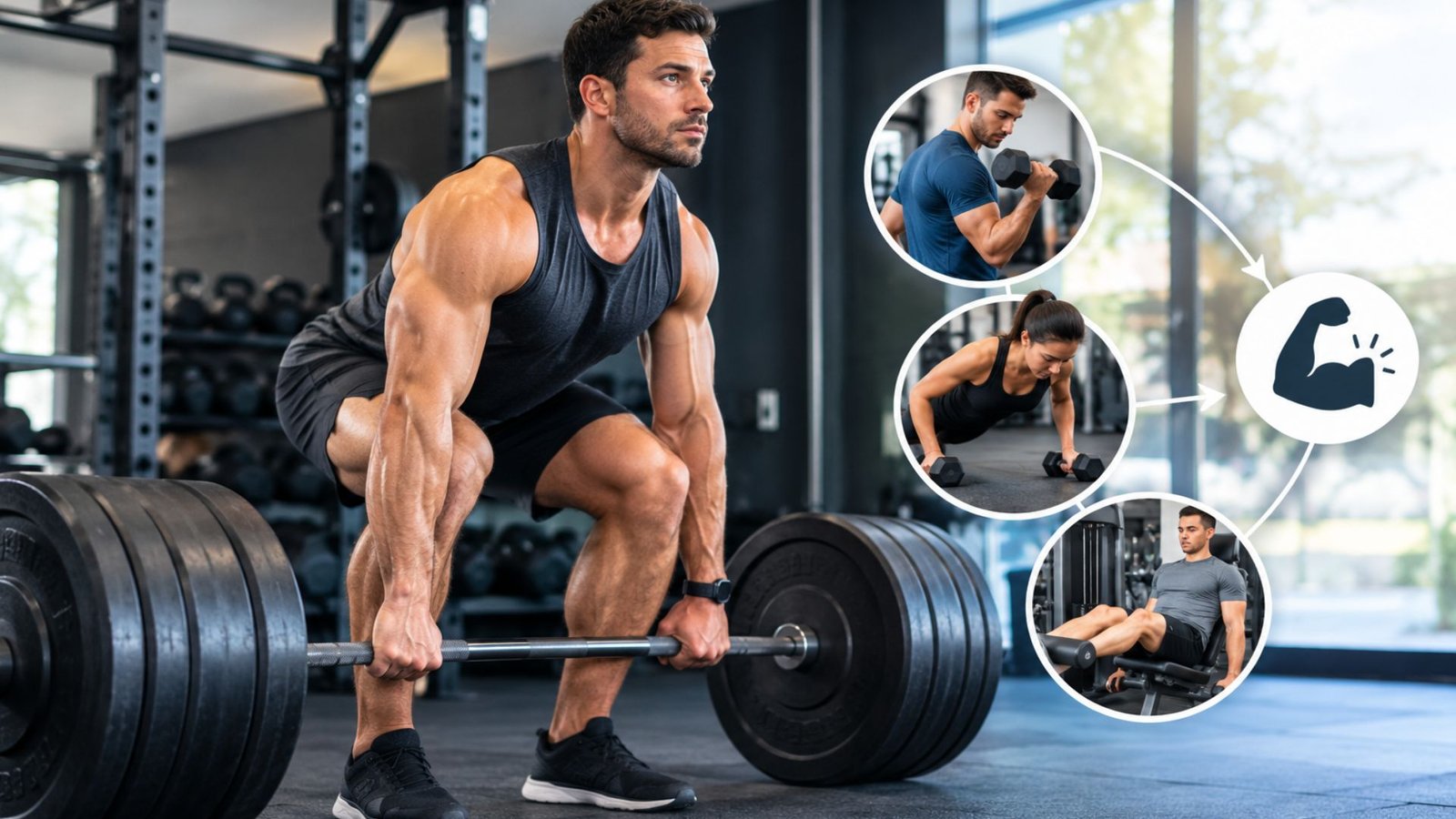
No, you do not have to lift extremely heavy weights to build muscle. You can stimulate muscle growth with light, moderate, or heavy loads as long as the set is challenging enough and your technique is solid. In resistance training, the muscle does not only respond to the number printed on the dumbbell; it responds to the work it is forced to do.
That said, “not necessary” does not mean “not useful.” Heavy sets are excellent for strength gains, improving confidence under load, and making moderate weights feel easier over time. The key is using heavy lifting as one tool—not treating it as the only path to progress.
Muscle growth comes from challenge, not ego
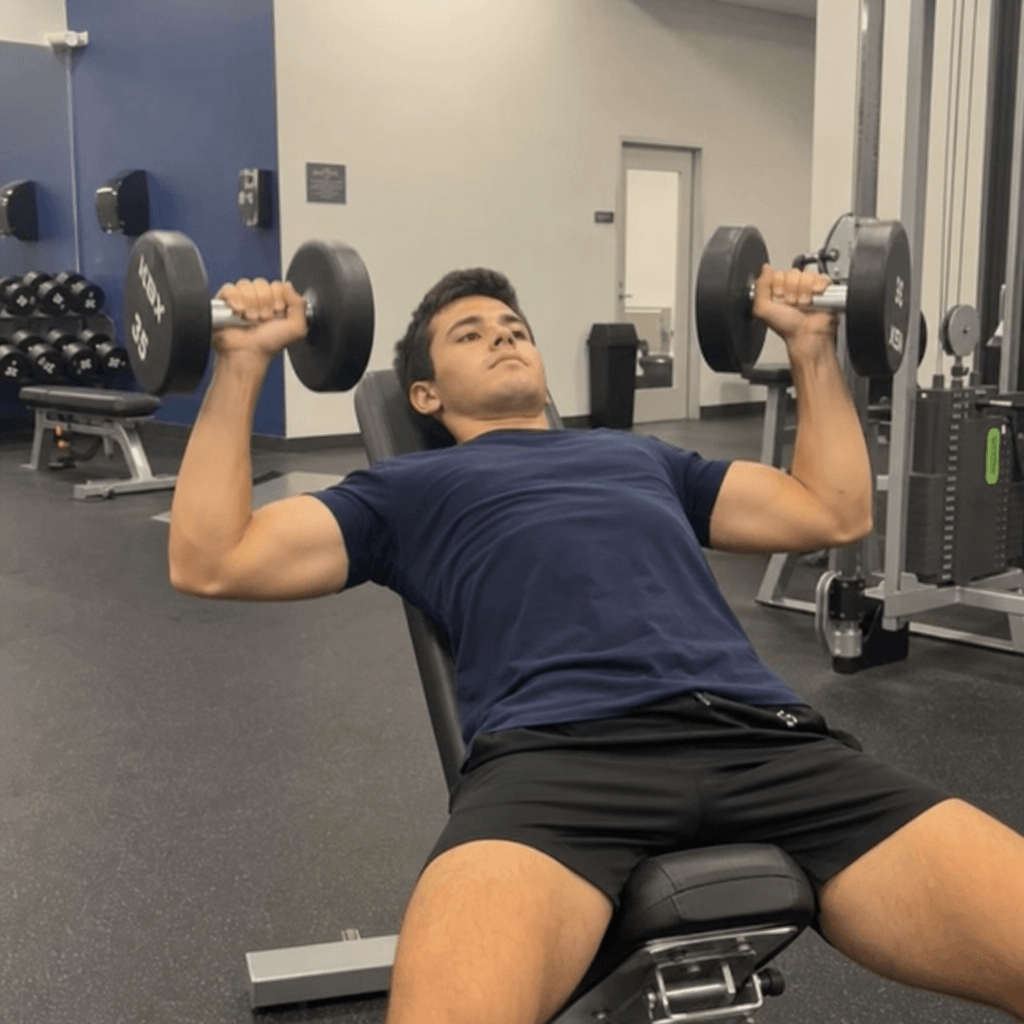
Muscle hypertrophy happens when your muscles are exposed to enough stimulus, then recover and adapt. That stimulus can come from heavier weights, more reps, slower tempo, shorter rest periods, better range of motion, or more weekly sets. A hard set of 12 squats can be just as meaningful as a heavy set of 5 if both are performed with intent and good form.
The problem starts when lifters confuse “heavy” with “effective.” If lifting very heavy for muscle growth causes you to shorten your reps, bounce through the movement, or shift tension away from the target muscle, the set may become less productive. A weight that challenges the muscle while still allowing control is usually better than a weight that challenges only your survival instincts.
Useful muscle-building signals include:
Mechanical tension: The muscle has to produce force through a meaningful range of motion.
Proximity to failure: Sets are hard enough that only a few quality reps remain.
Progressive overload: Over time, you do slightly more work, whether by adding weight, reps, sets, or control.
Consistency: Training is repeated often enough for adaptation to occur.
Recovery: Sleep, nutrition, and rest days support the growth process.
Heavy, moderate, and light weights all have a role
Different rep ranges offer different advantages. Heavy weights are efficient for building maximal strength. Moderate weights are often the most practical for combining muscle tension, volume, and joint comfort. Lighter weights can be excellent for beginners, higher-rep accessory work, and exercises where control matters more than load.
A balanced strength training plan usually includes more than one loading zone:
Load style | Common rep range | Best use |
|---|---|---|
Heavy | 3–6 reps | Strength gains, main compound lifts, skill under load |
Moderate | 6–12 reps | Muscle hypertrophy, efficient volume, balanced progression |
Light | 12–20+ reps | Isolation work, technique practice, joint-friendly volume |
This does not mean every workout needs all three. It means your program can be flexible. For example, you might use heavier weights for deadlifts and presses, moderate weights for rows and lunges, and lighter weights for lateral raises or hamstring curls.
Is lifting heavy better for muscle growth?
Lifting heavy is not automatically better for muscle growth; it is better for developing the ability to lift heavy. For hypertrophy, heavy weights work well when they create high tension without sacrificing movement quality. Moderate and lighter loads can also build muscle when sets are taken close enough to fatigue.
The best choice depends on the exercise, your training age, your joints, and your goal. A heavy barbell squat may be productive because it loads a lot of muscle mass. A very heavy lateral raise, on the other hand, often turns into a shrugging and swinging contest. The “best” weight is the one that lets you feel the target muscle, maintain control, and progress over time.
If your main goal is bigger muscles, ask better questions than “How heavy can I go?” Try these instead:
Can I control the lowering phase? If gravity is doing all the work, reduce the load.
Am I using a full, safe range of motion? Partial reps can have a place, but they should be intentional.
Do I feel the target muscle working? Some exercises require more focus than others.
Can I repeat this effort next week? Productive training should be challenging but sustainable.
Am I recovering well? More weight is not progress if soreness, fatigue, or pain derails consistency.
The weightlifting benefits go beyond size
The weightlifting benefits of a well-designed routine extend far beyond muscle growth. Resistance training can help you feel stronger in daily life, improve movement confidence, support better posture, and make everyday tasks easier. It also gives your workouts a measurable structure, which can be motivating when progress feels slow.
Heavy training has its own psychological reward. Learning to lift a challenging weight with good form builds trust in your body. But lighter and moderate training offer benefits too, especially for building work capacity and refining technique. The most effective lifters usually respect all intensities instead of turning training into a constant test of willpower.
Smart programming beats random heavy lifting
A productive program gives you enough hard work to grow without burying you in fatigue. Many lifters stall because they train every set like a personal record attempt. That approach might feel intense, but it often limits weekly volume, increases technique breakdown, and makes recovery harder.
A smarter approach is to organize your week around movement patterns and effort levels. You can push some sets hard while leaving others slightly more controlled. This keeps training productive and repeatable.
A simple weekly structure might look like this:
Main lifts: 2–4 sets of 4–8 reps with heavier but controlled weight.
Secondary compound lifts: 2–4 sets of 8–12 reps for added volume.
Isolation exercises: 2–4 sets of 10–20 reps to target specific muscles.
Progression target: Add a rep before adding weight when form is still improving.
Recovery check: If performance drops for several sessions, reduce volume or intensity briefly.
This kind of structure supports both muscle hypertrophy and strength gains. It also leaves room to adjust based on your body rather than forcing every workout into the same mold.
Powerlifting principles can help, even if you are not a powerlifter
Powerlifting tips are often aimed at the squat, bench press, and deadlift, but several principles apply to almost anyone doing resistance training. The biggest lesson is that technique matters more as the weight gets heavier. Bracing, setup, bar path, and consistent execution all help you train hard without turning every set into chaos.
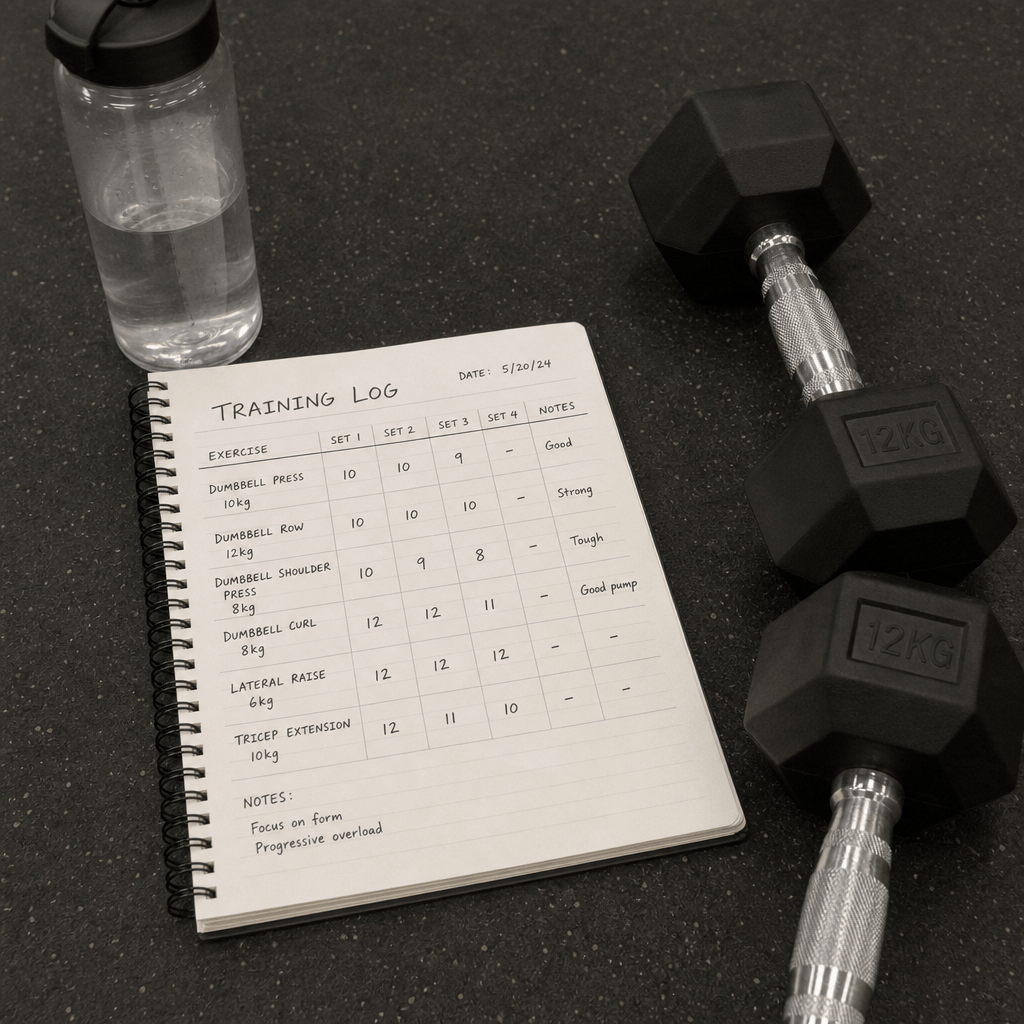
You do not need to follow a powerlifting program to benefit from these ideas. Use them selectively. Practice the same setup before each heavy set. Rest long enough before demanding lifts. Keep a training log so you know whether you are actually improving. Treat heavy work as a skill, not just a display of effort.
Helpful principles include:
Warm up gradually before heavy sets instead of jumping straight to your top weight.
Keep one to three reps in reserve on most heavy sets to protect technique.
Use spotters or safety equipment when appropriate, especially for heavy pressing or squatting.
Deload when needed by reducing volume or load for a short period.
Prioritize repeatable form over chasing numbers that look good only once.
When lighter training may be the better choice
There are times when lighter or moderate loads are not just acceptable—they are smarter. Beginners often need practice more than maximal load. Lifters returning from a break may rebuild faster by focusing on consistency. People dealing with cranky joints may find that higher reps and slower tempo provide a strong stimulus with less irritation.
Lighter training also shines for exercises where the target muscle is small or easy to overpower with momentum. Rear delts, side delts, biceps, triceps, calves, and many machine or cable movements often respond well to controlled, higher-rep work. If you can make a lighter weight feel hard by improving control, you are still training seriously.
FAQ
Can I build muscle with bodyweight exercises?
Yes. Push-ups, pull-ups, split squats, dips, and other bodyweight movements can build muscle when they are progressed over time. You may need harder variations, slower tempo, added range of motion, or external load as you get stronger.
How close to failure should I train?
Most muscle-building sets should feel challenging, with roughly one to three good reps left in the tank. You do not need to fail every set. Occasional failure may be useful on safer isolation exercises, but constant failure can interfere with recovery.
Should beginners lift heavy?
Beginners should learn good technique before chasing heavy numbers. Moderate weights are often best at first because they provide enough feedback without overwhelming form. As skill improves, heavier sets can be added gradually.
Is soreness required for muscle growth?
No. Soreness can happen after a new or difficult workout, but it is not the goal. Progress in reps, load, control, and consistency matters more than how sore you feel the next day.
How often should I train each muscle?
Many people do well training each major muscle group two or more times per week, depending on schedule and recovery. The right frequency depends on your total volume, exercise choices, and how well you recover between sessions.
Build muscle without guessing what “heavy” means
You do not need to lift the heaviest weight in the gym to build muscle—you need a plan that challenges you consistently and lets you recover. Heavy lifting, moderate sets, and lighter controlled work can all belong in an effective routine. Start by choosing weights you can control, track your progress, and adjust when your body gives you feedback.
If this helped you rethink your approach, use your next workout as a simple test: pick one exercise, improve your form, stop one or two reps before failure, and write down what you did. Building muscle becomes much clearer when you stop guessing and start training with purpose.