
Losing body fat takes more than spending hours on a treadmill or doing intense workouts every day. The best workout plan for fat loss combines strength training, cardiovascular exercise, and enough recovery to help your body adapt. When paired with balanced nutrition and consistent habits, this approach can help you reduce body fat while maintaining muscle and improving your overall fitness.
Whether you’re a beginner or someone who has struggled to see results from previous routines, having a structured workout schedule can make your fitness journey easier to manage. The key is choosing exercises that match your current fitness level and creating a routine you can maintain over time.
What Is the Best Workout Plan for Fat Loss?
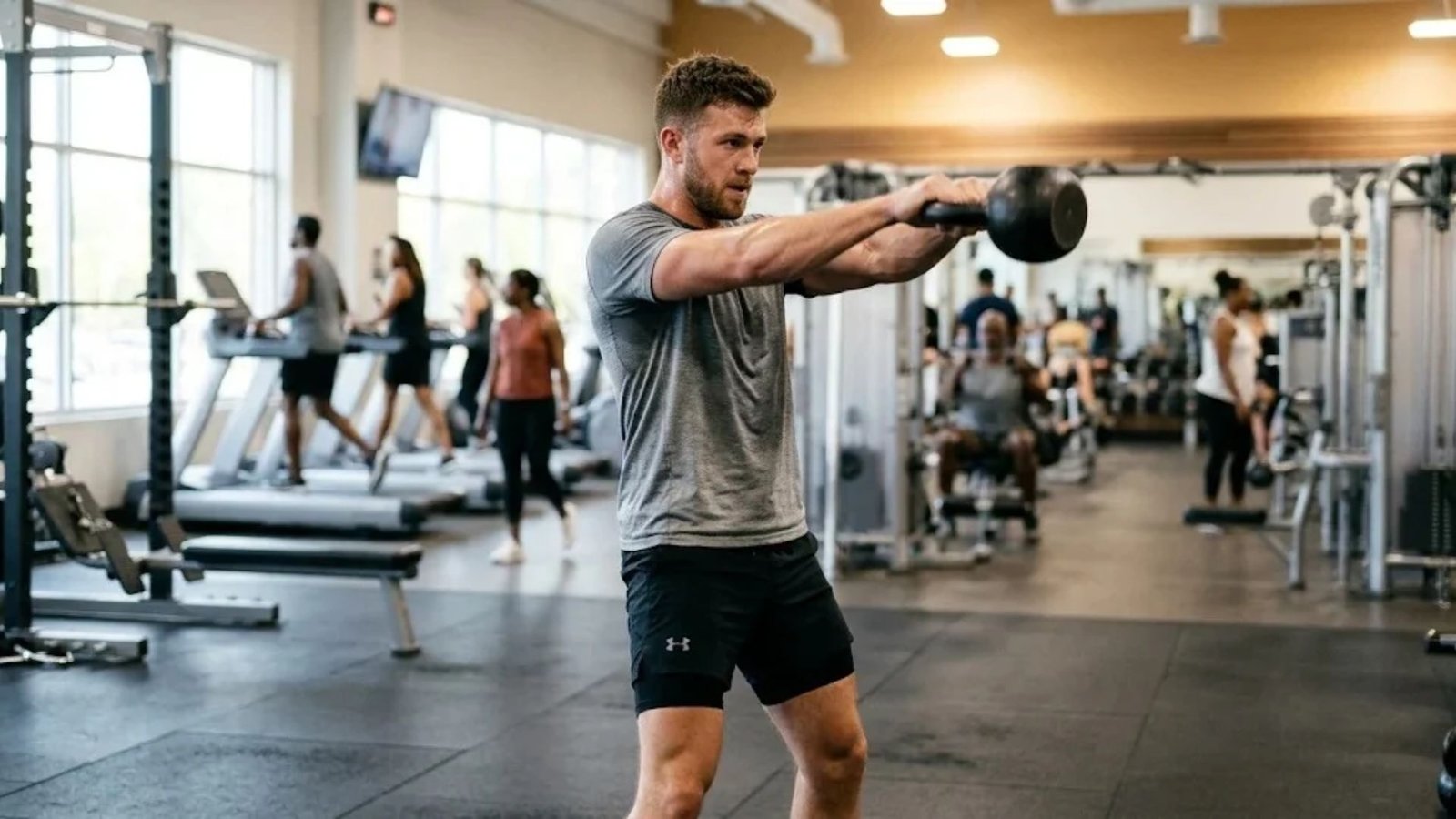
A balanced workout plan that includes three days of strength training, two days of cardio, and regular daily movement is a practical starting point for many adults.
Strength training helps preserve and build muscle, while cardio increases calorie expenditure and supports heart health. Walking and other forms of daily activity can also contribute to your overall energy expenditure without requiring intense exercise.
There isn’t one workout routine that works perfectly for everyone. Your ideal plan depends on your experience, schedule, physical condition, and personal goals.
Sample Weekly Workout Plan for Fat Loss
Here is an example of a weekly routine that combines resistance training, cardio, and recovery. Beginners can start with lighter weights, fewer sets, or shorter cardio sessions.
Monday: Full-Body Strength Training
Start the week with exercises that target major muscle groups.
Squats: 3 sets of 10–12 repetitions
Push-ups: 3 sets of 8–12 repetitions
Dumbbell rows: 3 sets of 10 repetitions
Glute bridges: 3 sets of 12 repetitions
Plank: 3 sets of 20–30 seconds
Full-body workouts are useful because they train several muscle groups in one session. They can also be easier to schedule than routines that require visiting the gym every day.
Tuesday: Cardio and Walking
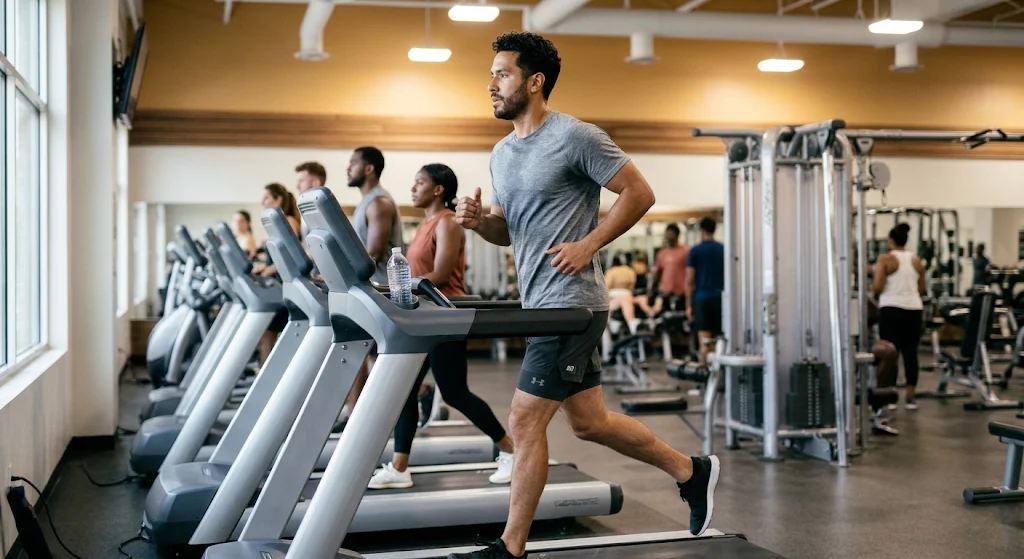
Choose a cardiovascular activity you enjoy, such as brisk walking, cycling, swimming, or using an elliptical machine.
Aim for 25–40 minutes at a moderate intensity. You should be breathing faster but still able to hold a conversation.
If you’re new to exercise, begin with shorter sessions and gradually increase your time as your endurance improves.
Wednesday: Lower-Body and Core Training
Focus on strengthening your legs, glutes, and abdominal muscles.
Bodyweight or goblet squats: 3 sets of 10 repetitions
Reverse lunges: 3 sets of 8 repetitions per leg
Romanian deadlifts: 3 sets of 10 repetitions
Calf raises: 3 sets of 12–15 repetitions
Dead bugs: 3 sets of 10 repetitions per side
Strong lower-body muscles support everyday movements such as walking, climbing stairs, and lifting objects.
Thursday: Active Recovery
Give your muscles time to recover while staying active. Try a relaxed walk, gentle cycling, or mobility exercises.
You don’t need to push yourself hard every day. Recovery helps reduce accumulated fatigue and prepares your body for the next workout.
Friday: Upper-Body and Full-Body Strength Training
Train your upper body while including movements that engage multiple muscle groups.
Dumbbell chest press: 3 sets of 10 repetitions
Lat pulldowns: 3 sets of 10 repetitions
Shoulder presses: 3 sets of 10 repetitions
Dumbbell lunges: 3 sets of 8 repetitions per leg
Bird dogs: 3 sets of 10 repetitions per side
Use weights that challenge you while allowing you to maintain proper form.
Saturday: Cardio or Interval Training
Choose an activity that gets your heart rate up. You could go cycling, swimming, hiking, or take a brisk walk for 30–45 minutes.
If you already have a good fitness foundation, you may include short intervals of faster movement followed by slower recovery periods. Beginners should focus on steady, moderate cardio before adding higher-intensity training.
Sunday: Rest and Recovery
Take a full rest day or enjoy gentle movement if you feel comfortable. Prioritize sleep, hydration, and balanced meals to support your recovery.
Why Strength Training Matters for Fat Loss
Strength training is an important part of a fat-loss program because it helps maintain muscle while you reduce body weight.
When people focus only on losing pounds, they may lose both fat and muscle. Including resistance exercises helps protect lean muscle mass, which supports strength, physical function, and body composition.
You don’t need to lift extremely heavy weights to get started. Bodyweight exercises, resistance bands, and dumbbells can all be useful.
If you’re interested in building a structured resistance routine, read our guide on what is the best workout program to build muscle?.
Should You Do Cardio or Weights First?
For most people whose primary goal is fat loss, neither option is automatically better. The order depends on your training priorities and energy levels.
If building strength and maintaining muscle are important goals, consider doing strength training first while you have more energy. You can finish with a moderate cardio session.
If improving endurance is your main priority, doing cardio first may make more sense.
You can also schedule cardio and strength training on separate days. This gives you more flexibility and may make it easier to perform both activities with good effort.
How Nutrition Supports Your Fat-Loss Workout Plan
Exercise plays an important role in fat loss, but your eating habits also affect your results. To lose body fat, you generally need to maintain a manageable calorie deficit, meaning you consume fewer calories than your body uses over time.
A few practical nutrition habits can help:
Include protein in meals: Foods such as eggs, chicken, fish, beans, and Greek yogurt help support muscle maintenance and recovery.
Eat fruits and vegetables: These provide fiber, vitamins, and minerals.
Choose filling carbohydrates: Oats, potatoes, brown rice, and whole grains can provide energy for workouts.
Stay hydrated: Drink water throughout the day, especially before and after exercise.
Watch portion sizes: Pay attention to how much you’re eating without relying on extreme restrictions.
For more guidance on reducing abdominal fat, read our article, Can a Personal Trainer Help Me Lose Belly Fat?.
Common Workout Mistakes That Can Slow Fat Loss
Even with a good routine, certain habits can make progress harder.
Doing too much too soon: Starting with intense daily workouts can lead to excessive soreness, fatigue, or injury. Increase your training gradually.
Skipping strength training: Relying entirely on cardio may leave you missing an important opportunity to maintain muscle.
Ignoring recovery: Your body needs rest between challenging sessions. Poor recovery can affect workout performance and consistency.
Changing routines too often: Switching exercises every few days makes it harder to track progress. Follow a structured plan long enough to evaluate how your body responds.
Expecting exercise to do everything: A workout routine works best alongside balanced nutrition, sufficient sleep, and regular daily movement.
If you need help choosing exercises and organizing your schedule, our guide on Do Personal Trainers Create Workout Plans? explains how customized programs are developed.
How to Stay Consistent With Your Fat-Loss Routine
Consistency matters more than following a demanding workout schedule for a short period.
Start with a realistic number of weekly sessions. If three workouts are manageable, build from there rather than forcing yourself into a six-day routine immediately.
Track your progress using more than the number on the scale. You can record your workout performance, strength improvements, waist measurements, energy levels, and how your clothes fit.
You may also benefit from having professional guidance. A trainer can help you select appropriate exercises, monitor your technique, and adjust your program as your fitness improves.
If scheduling gym visits is difficult, explore Is Online Personal Training Good for Beginners? to learn how remote coaching may fit into your routine.
You can also learn more about the benefits of resistance exercise in our article on Can Strength Training Help With Weight Loss?.
Frequently Asked Questions
1. What is the best exercise for fat loss?
There isn't one exercise that works best for everyone. Walking, cycling, swimming, strength training, and other activities can support fat loss. Combining resistance training with cardio is a practical approach for improving overall fitness while maintaining muscle.
2. How many days a week should I work out to lose fat?
Many adults can start with three strength-training sessions and two cardio sessions per week. Your ideal schedule depends on your fitness level, recovery, and availability.
3. Is walking enough to lose body fat?
Walking can contribute to fat loss by increasing daily calorie expenditure. However, results also depend on nutrition, consistency, and your overall activity level. Combining walking with strength training can provide additional benefits.
4. Should I lift weights when trying to lose weight?
Yes. Weight training helps preserve muscle during a calorie deficit and improves strength. It can also help you build a healthier body composition as you lose fat.
5. How long does it take to see fat-loss results?
It varies based on your starting point, nutrition, activity level, and consistency. Some people notice changes in energy and fitness within a few weeks, while visible body-composition changes may take longer. Focus on sustainable progress rather than quick results.
Start Your Fat-Loss Journey With a Plan That Works
The best workout plan for fat loss is one that combines strength training, cardio, active recovery, and healthy daily habits. You don’t need extreme workouts or complicated routines to make progress. Start with a manageable schedule, focus on proper technique, and gradually challenge yourself as your fitness improves.
At Personal Training Campton Hills, you can get guidance in choosing exercises and building a workout routine around your goals, experience, and schedule.
Ready to take the next step? Contact Personal Training Campton Hills to discuss your fitness goals and get started with a personalized training plan.