
Strength training is about more than lifting heavier weights. It is about building a body that moves better, feels stronger, and performs well in everyday life. Focusing on the best strength building exercises allows you to train smarter, avoid wasted effort, and see consistent progress over time. These exercises form the foundation of effective strength programs used by athletes, trainers, and fitness professionals worldwide.
Many people struggle with strength training because their workouts lack structure or rely too heavily on machines and isolation movements. While these exercises have their place, true strength is built through compound movements that train multiple muscle groups at once. The best strength building exercises improve coordination, stability, and muscle recruitment, helping you gain strength that carries over beyond the gym. This article explains what makes an exercise effective for strength, highlights the top movements to prioritize, and shows you how to structure them into a practical workout plan.
What Makes the Best Strength Building Exercises?
The best strength building exercises share a few important qualities. They use multiple joints, recruit large muscle groups, and allow progressive overload over time. Progressive overload means gradually increasing resistance, repetitions, or training volume to challenge the body and force adaptation.
These exercises also mimic natural movement patterns such as squatting, pushing, pulling, and hinging. Training these patterns improves functional strength and reduces the risk of injury. Rather than chasing variety, focusing on a core group of proven exercises delivers better long-term results.
Squats: The Cornerstone of Lower Body Strength
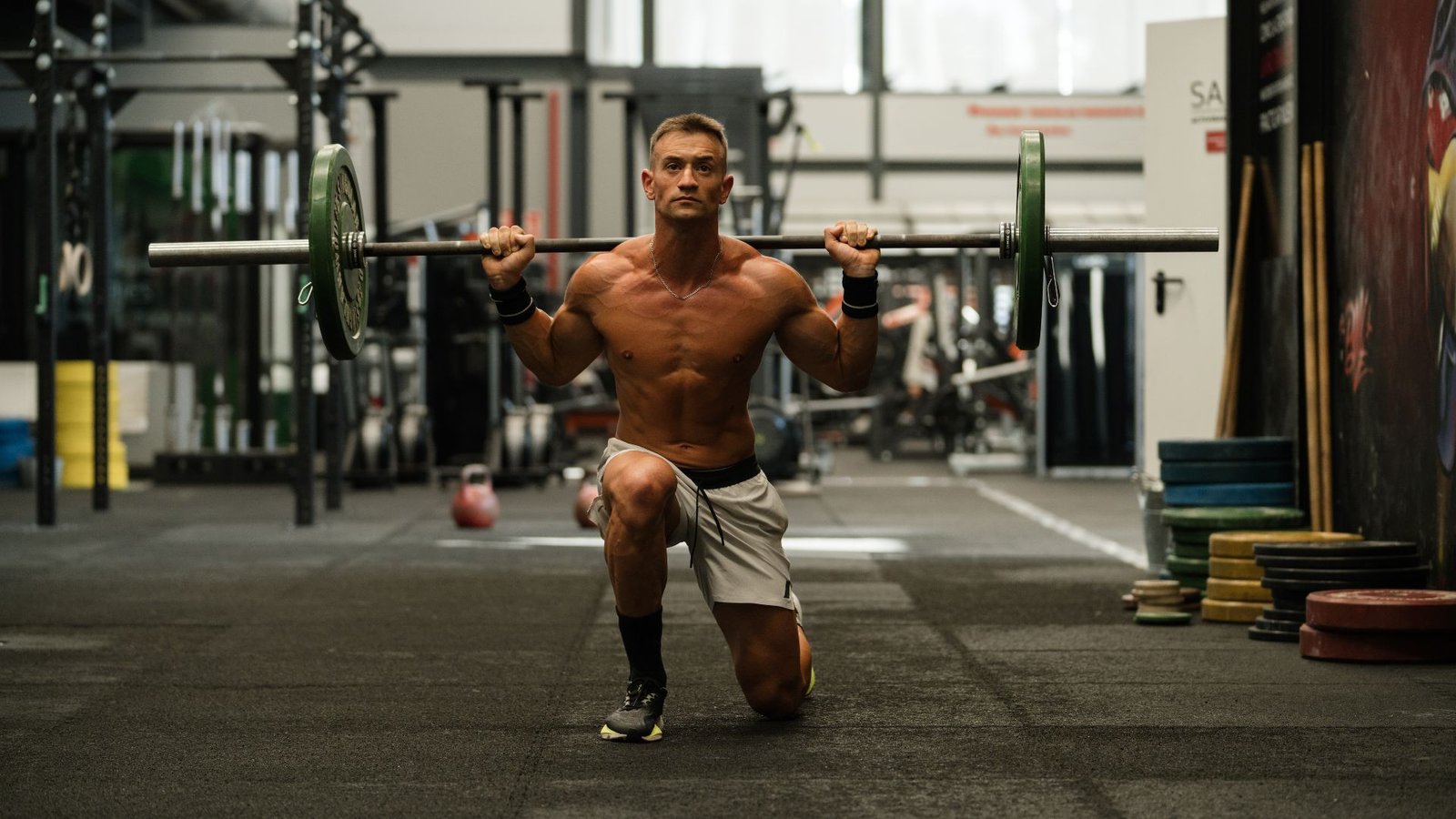
Squats are widely considered one of the best strength building exercises because they engage the quadriceps, hamstrings, glutes, and core simultaneously. They build powerful legs while reinforcing proper posture and movement mechanics.
Squats can be performed in many variations, including bodyweight, goblet, and barbell squats. Regardless of the version, squatting improves mobility, balance, and total lower body strength, making it essential for beginners and advanced lifters alike.
Deadlifts: Total Body Strength and Power
Deadlifts are among the most effective strength building exercises due to their ability to activate nearly every muscle in the body. They primarily target the posterior chain, including the glutes, hamstrings, lower back, and upper back.
This exercise builds raw strength and reinforces proper lifting technique, which is crucial for everyday activities such as picking objects up from the ground. Deadlifts also improve grip strength and posture, contributing to overall athletic performance.
Pressing Movements for Upper Body Strength
Upper body pushing exercises are essential for balanced strength development. The bench press, push-ups, and overhead press are all considered best strength building exercises for the chest, shoulders, and triceps.
These movements train coordination and stability while allowing progressive loading. The overhead press, in particular, challenges the core and upper back, making it a highly functional strength exercise that translates well to real-life tasks.
Pulling Exercises for a Strong Back
Pulling movements are often underemphasized, yet they are critical for posture, shoulder health, and overall strength. Pull-ups, chin-ups, and rowing exercises strengthen the upper back, lats, and arms.
A strong back supports heavy lifts, improves posture, and balances pressing exercises. Including both horizontal and vertical pulling movements ensures comprehensive upper body strength development.
Core Training for Strength Transfer
While compound lifts naturally engage the core, targeted core training enhances stability and strength transfer. Exercises such as planks, loaded carries, and anti-rotation movements help protect the spine and improve performance in other lifts.
A strong core allows you to lift heavier weights safely and efficiently, making it a key component of any strength-focused routine.
Sample Strength Building Workout Program
Below is a simple weekly program built around the best strength building exercises. Adjust weights and rest periods based on your experience and recovery.
| Day | Focus | Exercises | Sets x Reps |
|---|---|---|---|
| Monday | Lower Body | Squats, Lunges, Core Work | 4 x 5–8 |
| Tuesday | Upper Body Push | Bench Press, Overhead Press | 4 x 5–8 |
| Wednesday | Rest or Active Recovery | Light Cardio or Mobility | — |
| Thursday | Upper Body Pull | Deadlifts, Rows, Pull-Ups | 4 x 5–8 |
| Friday | Full Body | Squats, Push-Ups, Rows | 3 x 8–10 |
| Weekend | Rest | Complete Rest or Stretching | — |
This program emphasizes quality movements, adequate recovery, and progressive overload, making it suitable for long-term strength development.
Progression and Consistency
Strength gains come from consistent effort over time. Track your workouts and aim to make small improvements each week. Adding a small amount of weight, improving technique, or increasing repetitions all contribute to progress.
Avoid the temptation to constantly change exercises. Mastering the best strength building exercises will produce better results than frequently switching routines.
Start Building Strength With Proven Exercises
If you want lasting results, focus your training around the best strength building exercises and commit to a structured program. Start with the sample routine above or work with a qualified fitness professional to create a personalized strength plan. Take action today and begin building a stronger, more capable body that supports you in training and everyday life.