
Grip strength is one of the most important yet overlooked aspects of strength training. Many lifters struggle to hold heavier weights during pulling exercises, limiting their overall progress. This is where straps for weight training come in. While some believe straps reduce grip development, when used strategically, they can actually enhance grip strength and improve lifting performance.
In this article, we’ll explore how weightlifting straps work, why they can benefit grip development, and how to use them effectively alongside a sample program.
What Are Straps for Weight Training?
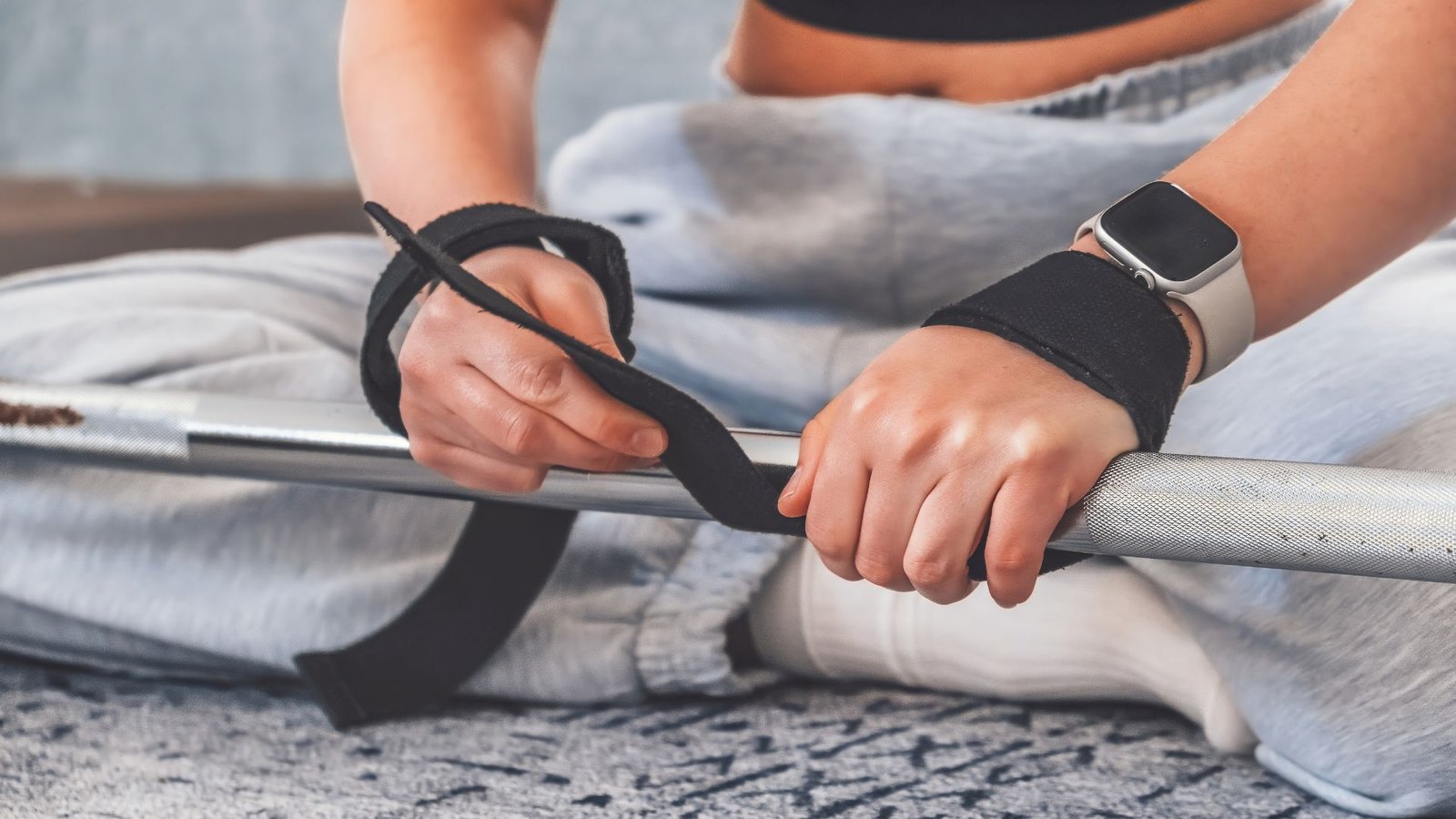
Straps for weight training are supportive tools made from fabric, leather, or nylon that wrap around your wrists and the barbell or dumbbell. Their main purpose is to reduce grip fatigue during pulling movements like deadlifts, rows, pull-ups, and shrugs.
By providing extra support to your hands, straps allow you to lift heavier weights for longer sets without your grip failing first. This enables better muscle activation and overall strength development.
How Straps Improve Grip Strength
It might seem counterintuitive that straps for weight training can improve grip strength. However, they support grip development indirectly in several ways:
1. Enable Progressive Overload
Grip strength improves when muscles are challenged with increasing loads. Without straps, grip fatigue often prevents you from using heavier weights, limiting progress. Using straps strategically allows you to lift heavier weights safely, which challenges forearms and hands over time, indirectly strengthening your grip.
2. Reduce Premature Grip Fatigue
During pulling exercises, your grip often gives out before your back or biceps are fully trained. Straps help maintain your hold on the bar, ensuring that target muscles get maximum stimulation without compromising grip development in the long run.
3. Improve Mind-Muscle Connection
When grip is not the limiting factor, you can focus on proper technique and full muscle contraction. This enhances neuromuscular control and allows your grip and forearms to develop along with your back and biceps.
When to Use Straps for Weight Training
Using straps correctly is key. Over-reliance can prevent full grip development. Here’s how to use them effectively:
Best times to use straps:
Heavy deadlifts or rack pulls
Barbell or dumbbell rows
Shrugs and high-volume back exercises
Avoid using straps:
During warm-up sets
Grip-focused exercises
Light or moderate lifts where grip isn’t the limiting factor
A balanced approach ensures you strengthen your grip while still benefiting from heavier lifts.
Do Straps Weaken Grip Strength?
Not when used properly. Grip weakness only occurs if straps are used for every single set without performing any direct grip work. To ensure grip improvement alongside straps:
Perform farmer’s carries
Include dead hangs or pull-ups without straps
Try thick-bar or rope exercises
Use plate pinches or wrist curls
By combining grip-specific training with selective strap use, you can maximize both grip strength and lifting capacity.
Sample Weekly Training Program Using Straps
| Day | Focus | Strap Usage |
|---|---|---|
| Monday | Back & Deadlifts | Use straps for top sets only |
| Tuesday | Upper Body Push | No straps |
| Wednesday | Grip & Forearms | No straps (grip-focused) |
| Thursday | Legs | Optional straps for heavy Romanian deadlifts |
| Friday | Upper Pull | Straps for rows and shrugs |
| Saturday | Conditioning | No straps |
| Sunday | Rest | Recovery and mobility |
This program balances direct grip training and strategic strap use, ensuring full strength development.
Choosing the Right Straps for Weight Training
Different straps serve different needs:
Loop straps: Simple and beginner-friendly
Figure-8 straps: Max support for heavy deadlifts
Leather straps: Durable and comfortable for frequent use
Pick straps that match your training style, lifting goals, and experience level. Comfort and security are more important than flashy features.
Maximize Your Strength Gains With Straps
Straps for weight training are not a shortcut—they are a tool. When used strategically, they allow you to lift heavier, stimulate more muscle, and improve grip indirectly. The key is balance: train your grip directly, use straps when necessary, and focus on proper technique.
Take Your Lifting to the Next Level
If you’re ready to lift heavier, improve grip strength, and make every set count, smart training strategies and the right equipment matter. Incorporate straps for weight training strategically, follow a consistent program, and watch both your grip and overall strength improve.