
The best diet for building muscle is a consistent, high-protein, calorie-aware eating pattern that supports progressive strength training, recovery, and long-term adherence. For most people, that means eating enough total calories to fuel training, getting protein at each meal, choosing mostly minimally processed foods, and adjusting carbs and fats around performance and body-composition goals. If your goal is the best diet for building muscle and losing fat, the same principles apply, but your calorie target and food choices need to be more precise.
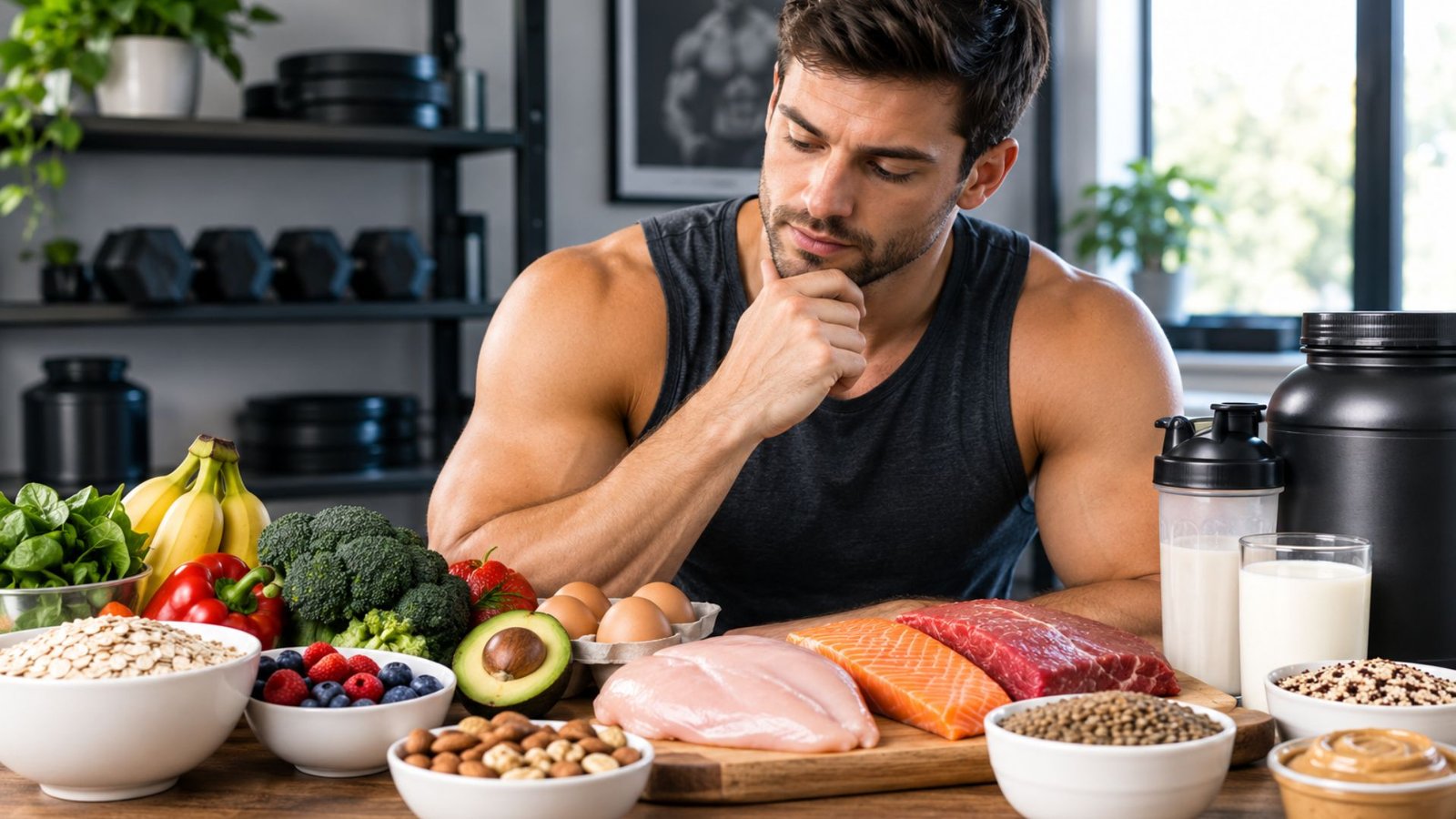
What diet is best for building muscle?
The best diet for muscle building is not one named diet; it is a structured nutrition approach built around protein, training fuel, recovery, and consistency. Research-based sports nutrition guidance commonly places protein needs for exercising people above the general minimum, with the International Society of Sports Nutrition noting that about 1.4–2.0 grams of protein per kilogram of body weight per day is sufficient for most exercising individuals who want to build or maintain muscle.
A strong muscle building diet also includes carbohydrates because hard training depends on energy. Carbs help fuel lifting sessions, support training volume, and make it easier to recover between workouts. Dietary fats matter too, especially for meal satisfaction, hormone production, and overall health. The “best” plan is the one that gives you enough of all three macronutrients while fitting your schedule, appetite, food preferences, and budget.
For most lifters, the foundation looks like this:
Protein at every meal: lean meat, poultry, fish, eggs, Greek yogurt, cottage cheese, tofu, tempeh, legumes, protein powder, or other high-protein foods.
Carbohydrates around training: rice, oats, potatoes, fruit, whole-grain bread, pasta, beans, or cereal can help performance.
Healthy fats in moderate portions: olive oil, avocado, nuts, seeds, whole eggs, fatty fish, and nut butters.
Plenty of plants: vegetables, fruits, beans, and whole grains provide fiber and micronutrients.
Enough total food: muscle growth is difficult if you are consistently under-eating.
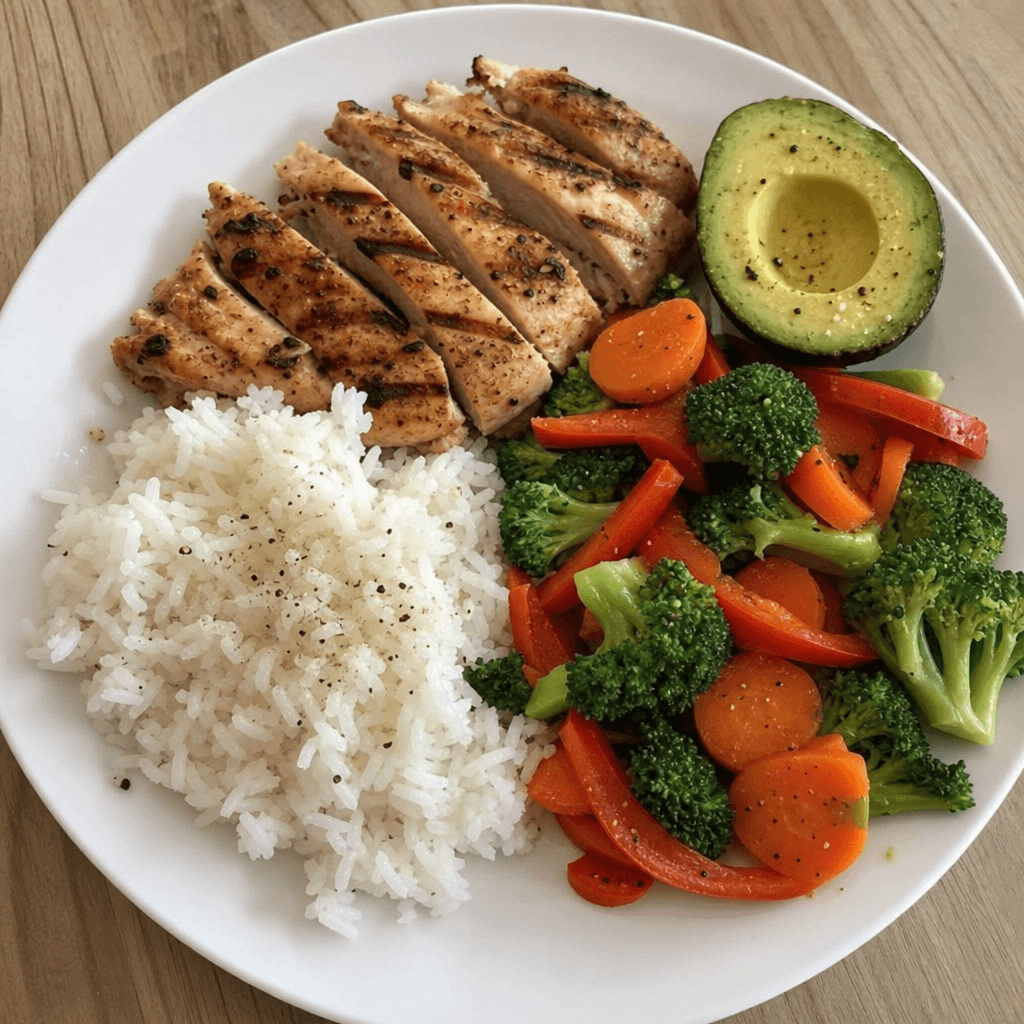
Muscle growth starts with energy balance
Food provides the raw material for muscle repair, but calories determine the bigger direction. If you eat more energy than you burn, gaining muscle is usually easier. If you eat less than you burn, losing fat is easier, but muscle gain may be slower and requires smarter training and protein intake.
Calorie surplus for lean muscle gain
If your primary goal is building muscle, a small calorie surplus is usually the simplest path. “Small” matters. Eating far beyond your needs does not force extra muscle growth; it often just increases fat gain. A practical fitness diet plan might start with slightly larger portions of protein and carbs, then monitor body weight, gym performance, waist measurements, and progress photos over several weeks.
A good sign that your strength training diet is working is steady progress in the gym without rapid unwanted fat gain. If your lifts are improving, your recovery feels good, and your body weight is slowly trending up, you are likely eating enough. If your weight jumps quickly and your waist expands faster than your strength improves, your surplus may be too large.
Calorie deficit for fat loss with muscle retention
If your primary goal is fat loss, a moderate calorie deficit is more appropriate. The challenge is preserving muscle while body weight drops. That means protein becomes even more important, and strength training should remain a priority.
The best diet for losing fat and building muscle is usually not an extreme low-calorie plan. Aggressive dieting can reduce training performance, increase hunger, and make it harder to recover. A better approach is to keep protein high, reduce calories mainly from discretionary snacks, liquid calories, oversized portions, and inconsistent weekend eating, and continue lifting with intent.
Can you build muscle and lose fat at the same time?
Yes, building muscle and losing fat at the same time is possible, especially for beginners, people returning after time off, people with higher body fat levels, or those who improve their training and nutrition after being inconsistent. This process is often called body recomposition, and it works best when your protein intake, resistance training, sleep, and calorie control are all aligned.
A best diet plan for building muscle and losing fat usually sits near maintenance calories or in a slight deficit rather than an aggressive cut. The goal is to give your body enough protein and training stimulus to build or preserve lean tissue while using stored body fat for energy. This is slower than a focused bulk or cut, but it can be highly effective for people who care about looking leaner, stronger, and more athletic over time.
Use this simple checklist for recomposition:
Lift weights 3–5 days per week with progressive overload.
Eat protein at each meal and hit your daily target consistently.
Keep calories near maintenance or in a modest deficit.
Place more carbs before and after demanding workouts.
Sleep enough to recover from training.
Track progress with strength, measurements, photos, and how clothes fit, not scale weight alone.
Protein is the anchor of bodybuilding nutrition
Protein gets the most attention in bodybuilding nutrition because muscle tissue is built from amino acids. But protein is not magic by itself. It works best when paired with hard training, sufficient calories, and a plan you can follow every day.
For a practical starting point, many active people can aim for roughly 1.6–2.2 grams of protein per kilogram of body weight per day, with the lower end fitting many muscle-gain phases and the higher end often useful during fat-loss phases. ACSM educational material also lists a common range of about 1.2–1.7 grams per kilogram for active people, showing that needs vary by training load, goals, and individual context.
Best protein foods for muscle gain
You do not need to eat only chicken breast and protein shakes. A flexible muscle building diet can include animal-based, plant-based, or mixed protein sources.
Good options include:
Lean meats and poultry such as chicken, turkey, lean beef, and pork tenderloin.
Fish and seafood such as salmon, tuna, cod, shrimp, and sardines.
Dairy foods such as Greek yogurt, cottage cheese, milk, and kefir.
Eggs and egg whites for convenient, versatile meals.
Plant proteins such as tofu, tempeh, edamame, lentils, beans, seitan, and soy milk.
Protein powders when convenience helps you hit your target.
If you eat mostly plant-based meals, combine varied protein sources across the day and pay attention to total protein. Plant-based diets can absolutely support muscle growth, but some foods are less protein-dense, so planning matters.
Protein timing without overcomplication
Protein timing is useful, but daily intake matters most. Rather than forcing a perfect post-workout shake, spread protein across three to five meals. A practical target is to include a meaningful protein serving at breakfast, lunch, dinner, and optionally a snack.
After training, eat a balanced meal when convenient. If you trained fasted or will not eat for several hours, a protein-rich snack can help. If you ate a high-protein meal before training, there is less urgency.
Carbs and fats make the plan sustainable
A best diet for muscle building should not reduce everything to protein. Carbohydrates and fats help you train hard, enjoy your meals, and stay consistent.
Carbs are especially useful for people doing demanding strength training, bodybuilding-style volume, sports, conditioning, or physically active jobs. If your workouts feel flat, your pump disappears, or your performance drops during a diet, you may have cut carbs too hard. Whole-food carbs like oats, rice, potatoes, fruit, beans, and whole grains are easy to build into a strength training diet.
Fats should not be pushed too low. They make meals satisfying and support general health. The key is portion awareness, because fats are calorie-dense. A tablespoon of oil, a handful of nuts, or a large scoop of peanut butter can be healthy, but those portions add up quickly when fat loss is the goal.
How should you build a fitness diet plan?
Build a fitness diet plan by starting with your goal, setting protein, choosing a calorie direction, and creating repeatable meals you actually like. The best diet for building muscle is not the most complicated one; it is the plan you can execute through busy workdays, social meals, travel, and imperfect weeks.
Step-by-step setup
Choose your main goal. Decide whether you are prioritizing muscle gain, fat loss, or recomposition.
Set your protein target. Use a consistent daily range based on your body weight and training demands.
Pick your calorie direction. Use a small surplus for muscle gain, a modest deficit for fat loss, or near-maintenance for recomposition.
Plan three to five eating moments. Each should include protein; most should include plants and carbs or fats.
Adjust based on results. Review strength, hunger, weight trends, measurements, and energy every two to four weeks.
Example day of eating
This sample is not a prescription, but it shows how a strength training diet can look in real life:
Breakfast: Greek yogurt with oats, berries, and nuts.
Lunch: Chicken, tofu, or beans with rice, vegetables, and olive oil-based dressing.
Pre-workout snack: Banana and whey protein, or toast with eggs.
Dinner: Salmon, lean beef, tempeh, or turkey with potatoes and a large salad.
Optional evening snack: Cottage cheese, a protein smoothie, or edamame.
For fat loss, reduce portions of calorie-dense foods while keeping protein steady. For muscle gain, add more carbs, an extra snack, or larger portions around training.
Common mistakes that slow muscle gain
Many people search for what diet is best for building muscle when the real issue is inconsistency. A good plan followed five days per week and abandoned every weekend will not perform like a simple plan followed most of the time.
Watch for these common mistakes:
Eating too little while expecting fast muscle growth. Muscle gain needs training stimulus and adequate fuel.
Overeating because you are “bulking.” A surplus helps, but excess calories do not guarantee extra muscle.
Skipping protein at breakfast. This makes it harder to reach your daily target without a huge dinner.
Cutting carbs too aggressively. Poor training performance can limit muscle-building stimulus.
Relying on supplements before fixing meals. Supplements can help, but they cannot replace consistent food intake.
Changing plans every week. Give your approach enough time before deciding it does not work.
Supplements can help, but food comes first
Supplements are optional tools. Protein powder can be useful if you struggle to meet protein needs through food. Creatine monohydrate is widely used in strength training and bodybuilding nutrition, but anyone with medical conditions or medication concerns should ask a qualified health professional before using supplements.
Pre-workouts, fat burners, mass gainers, and specialty products are not required for results. If your meals, training, sleep, and consistency are weak, supplements will not solve the problem. Spend most of your effort on the fundamentals first.
FAQ
What is the best diet for building muscle for beginners?
Beginners should focus on simple meals with protein at each meal, enough total calories, and carbohydrates that support training. A beginner does not need an advanced bodybuilding nutrition plan; consistency matters more than precision.
What is the best diet for building muscle and losing fat?
The best diet for building muscle and losing fat is high in protein, built around whole foods, and set near maintenance calories or a modest deficit. It should support progressive lifting while slowly improving body composition.
Do I need to eat every two hours to build muscle?
No. Meal frequency is flexible. Most people do well with three to five protein-containing meals or snacks per day.
Are carbs bad for fat loss?
Carbs are not automatically bad for fat loss. Calories, food quality, portion sizes, and consistency matter more. Carbs can be especially helpful for training performance.
Can I build muscle on a plant-based diet?
Yes. A plant-based muscle building diet can work well when total protein, calories, and food variety are planned carefully.
Start building your muscle nutrition plan
If you want a stronger, leaner body, do not wait for the perfect diet name. Start with a clear protein target, plan repeatable meals, match calories to your goal, and train with progressive overload. For personalized help, explore our nutrition and training resources, build your own fitness diet plan, or connect with a qualified coach or registered dietitian who can tailor a plan to your needs.
The best diet is the one you can repeat
The best diet for building muscle is structured but flexible. It gives you enough protein to repair and build tissue, enough carbs to train hard, enough fats to enjoy meals, and enough consistency to create results over months, not days. Whether your goal is muscle gain, fat loss, or both, the winning plan is the one that supports your training and fits your real life.