
Online personal training gives you structured fitness coaching without requiring every workout to happen in the same room as your trainer. Through video calls, training apps, messaging, progress tracking, and customized programming, virtual personal training can help people stay consistent while fitting exercise around real life. The biggest online personal training benefits are flexibility, access to a wider range of coaches, ongoing accountability, and the ability to train wherever you are.
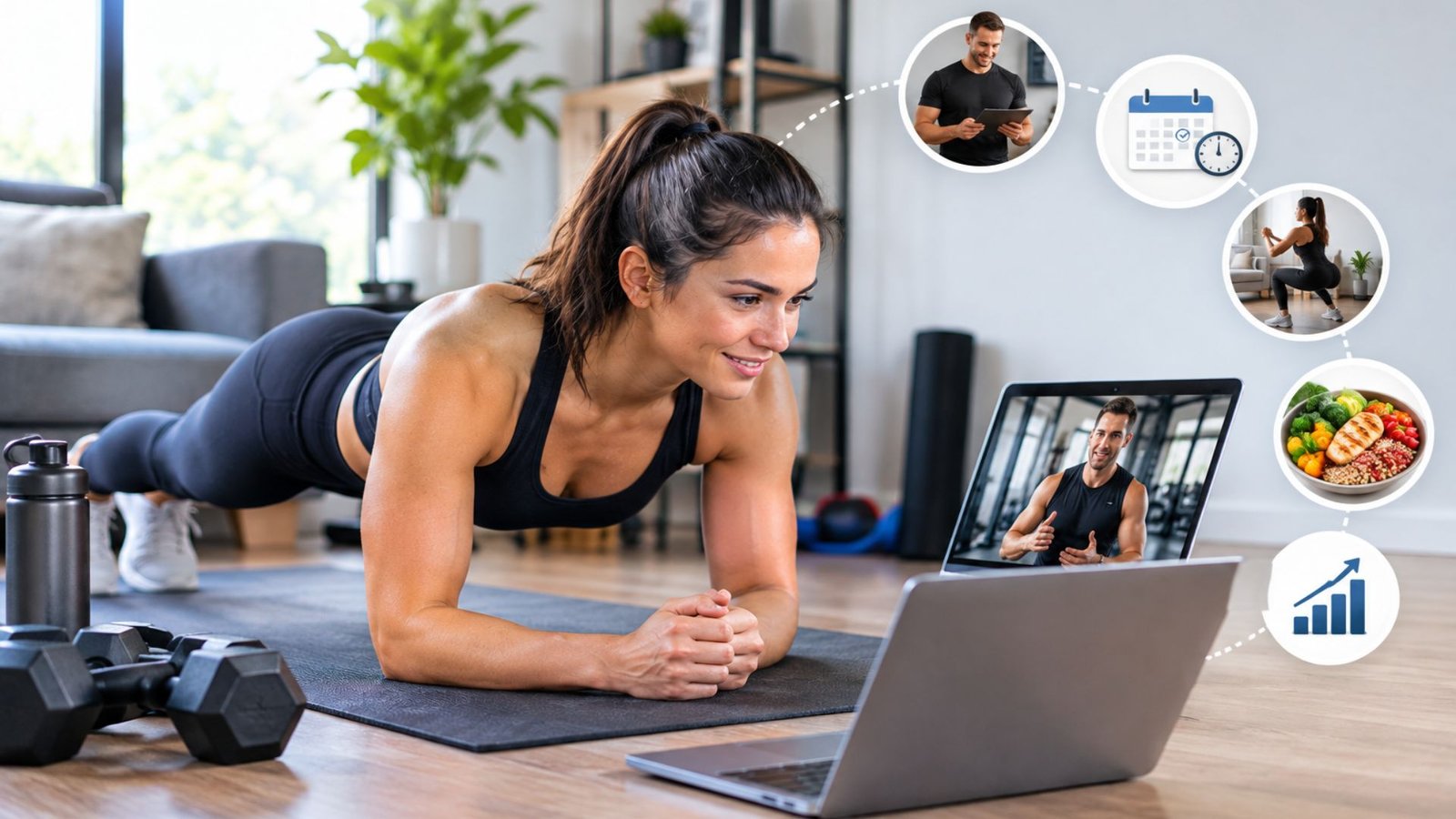
What are the benefits of online personal training?
The benefits of online personal training include convenience, personalized workouts, better schedule control, easier access to specialized coaches, and consistent support between sessions. Instead of building your week around a gym appointment, you can often train at home, outdoors, in a hotel gym, or at your local fitness center with a plan already prepared for you. For many people, that flexibility is what turns exercise from “something I keep meaning to do” into a repeatable habit.
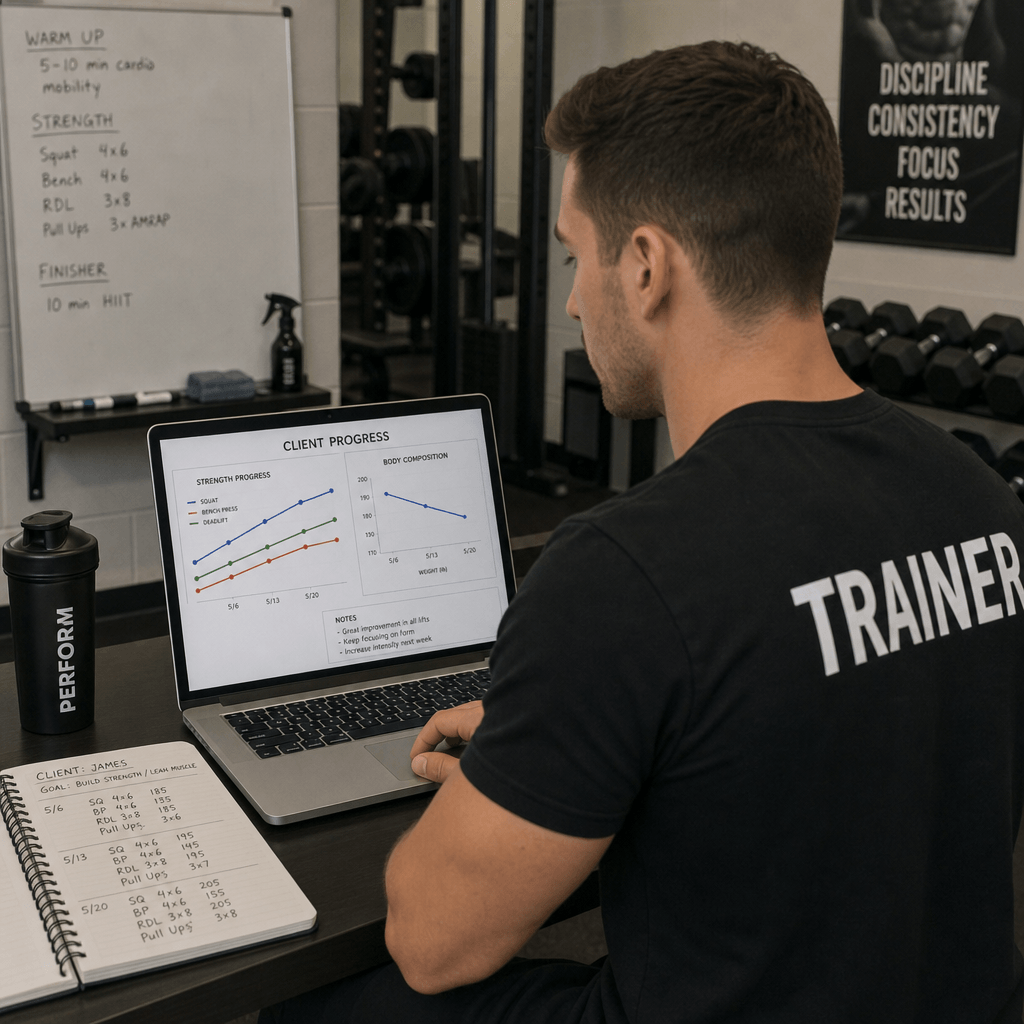
Online coaching also changes the way accountability works. In a traditional session, your trainer may only see you for one hour. With a web-based model, they can review workout logs, check form videos, adjust your program, and help you troubleshoot barriers during the week. That creates a more continuous coaching relationship, especially for clients who need structure but do not need a trainer physically counting every rep.
The phrase “online personal training benefits advantages” may sound repetitive, but it captures the real appeal: online coaching removes many of the small frictions that make fitness difficult. Less commuting, fewer scheduling conflicts, and more control over your training environment can make it easier to show up consistently.
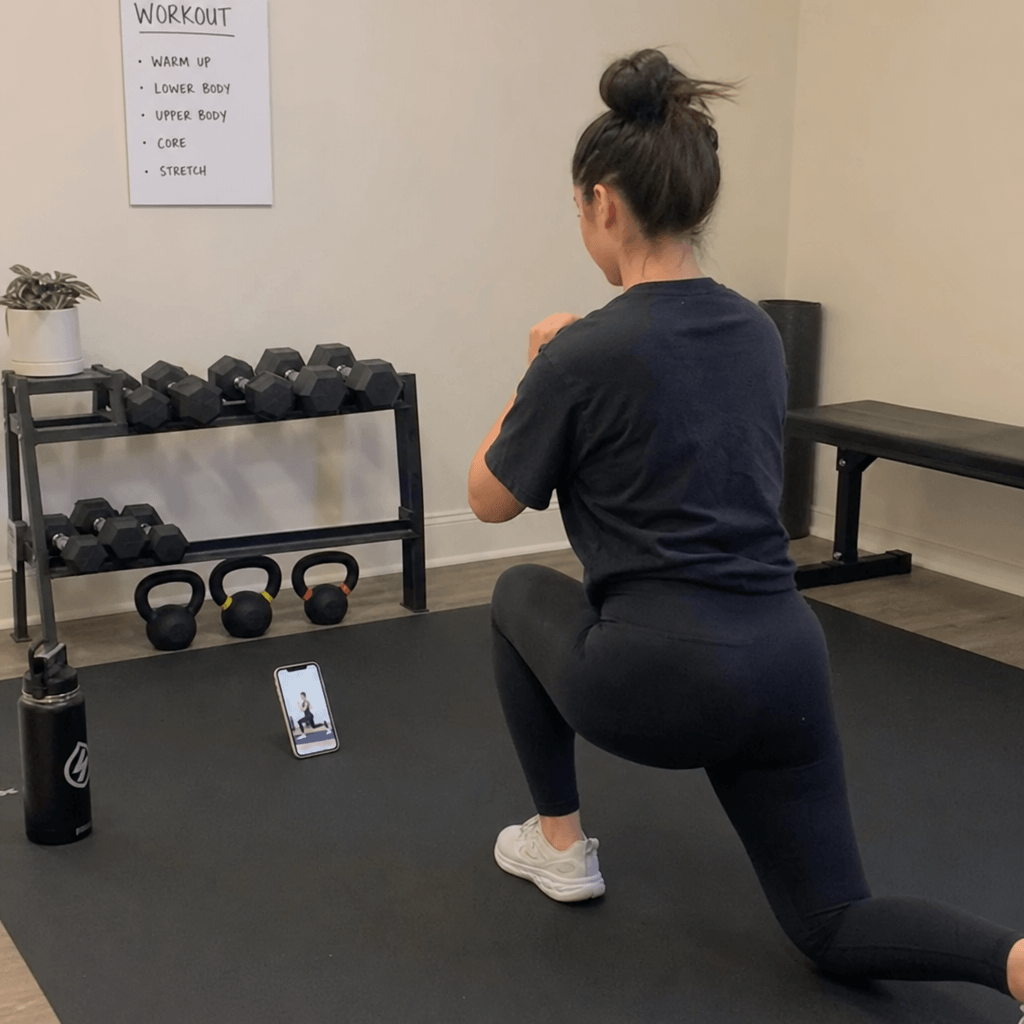
Flexibility is the biggest practical advantage
One of the clearest web-based training advantages is the ability to train on your own schedule. If your work hours change, your child gets sick, or you travel often, a rigid appointment-based routine can fall apart quickly. Online personal training gives you a plan that can move with you.
That does not mean you are left alone. A good online trainer sets expectations for when to train, how hard to work, what to track, and when to ask for help. The difference is that the workout does not depend on both of you being available at the exact same time.
This is especially useful for:
Busy professionals who need efficient sessions before work, after work, or during lunch.
Parents and caregivers who may not be able to leave home easily.
Frequent travelers who need hotel-room, hotel-gym, or minimal-equipment alternatives.
People in rural areas who do not have easy access to a qualified local trainer.
Self-conscious beginners who prefer learning in a private setting before entering a gym.
Flexibility matters because consistency matters. A workout plan does not need to be perfect to help you; it needs to be realistic enough that you can keep returning to it.
Personalized coaching can still happen online
A common misconception is that online training means receiving a generic PDF workout. That can happen with low-quality programs, but it is not what true online coaching should be. Effective virtual personal training starts with your goals, current fitness level, training history, available equipment, schedule, preferences, and limitations.
From there, a trainer can build a program that fits your situation. If you train at home with adjustable dumbbells, the plan should reflect that. If you have gym access three days per week and want to improve strength, your program should be structured around progressive overload, recovery, and exercise selection. If you are returning after a long break, your trainer should help you ramp up gradually instead of throwing you into an unrealistic routine.
Personalization often shows up in small adjustments:
Exercise swaps when a movement feels awkward, painful, or unavailable.
Volume changes when your schedule, stress, or recovery changes.
Technique feedback from uploaded form videos.
Progression planning so workouts become more challenging over time.
Habit support for sleep, steps, nutrition basics, and recovery routines.
These adjustments are what separate coaching from content. A workout list tells you what to do; a coach helps you understand what to do next when life interferes.
Benefits of online personal training vs in-person coaching
The benefits of online personal training vs in-person coaching depend on what kind of support you need. Online coaching is usually strongest for flexibility, independent training, habit-building, and access to specialized expertise, while in-person training is often strongest for hands-on instruction, immediate form correction, and real-time motivation. Neither format is automatically better; the right choice depends on your goals, experience level, learning style, and environment.
Here is a simple comparison:
Factor | Online personal training | In-person personal training |
|---|---|---|
Scheduling | More flexible; often asynchronous | Requires shared appointment times |
Location | Home, gym, outdoors, or travel | Usually one gym or studio |
Coach options | Wider choice beyond your local area | Limited to nearby trainers |
Form feedback | Often via video review or live video | Immediate in-person correction |
Accountability | Messaging, logs, check-ins, app tracking | Session attendance and direct supervision |
Best for | Self-directed clients who want structure | Clients who need hands-on guidance |
When people compare the benefits of online personal training vs in person, the key question is not “Which is more legitimate?” It is “Which one will I actually use consistently?” A beginner who feels nervous about movement technique may prefer in-person support at first. Someone who already knows basic exercises but struggles to stay organized may thrive with online coaching.
A hybrid approach can also work well. You might meet a trainer in person occasionally for assessment and technique, then follow an online program between sessions. That gives you the confidence of live coaching with the convenience of remote support.
Online coaching expands access to specialized expertise
Your ideal coach may not live in your city. One of the major benefits of online personal training is that you can look beyond local availability and find someone who fits your goals more closely. That could mean a coach who works with beginners, strength training, postnatal fitness, endurance athletes, older adults, body recomposition, mobility, or people returning to exercise after time away.
This matters because personal training is not one-size-fits-all. A trainer who is excellent for competitive powerlifting may not be the right fit for someone who wants gentle strength training at home. A coach who specializes in busy professionals may design shorter, more efficient sessions than a coach whose clients live in the gym.
Online training also makes it easier to compare communication style. Before signing up, you can often review a coach’s website, content, application questions, or consultation process. Industry education sites such as The Personal Trainer Development Center publish resources on online coaching and why people use it, which reflects how established remote coaching has become in the fitness field.
Accountability becomes part of your week
For many clients, the workout itself is not the only challenge. The bigger challenge is remembering the plan, making time for it, knowing when to push, and staying engaged when motivation dips. Online personal training can help because accountability is built into the system.
Depending on the coach, accountability may include:
Weekly or biweekly check-ins.
Workout completion tracking.
Notes on energy, sleep, soreness, and confidence.
Video reviews for selected exercises.
Messaging support for quick questions.
Adjustments when progress stalls.
This ongoing feedback loop can make training feel less random. If you miss workouts, the conversation becomes practical: Was the plan too ambitious? Were the sessions too long? Did you need a lower-equipment option? Good coaching does not shame you for being human; it helps you identify the barrier and create a better plan.
Accountability also encourages reflection. Over time, you start to notice patterns: which days work best, which exercises feel good, which habits support better training, and which situations derail consistency. That self-knowledge is one of the quiet but powerful online personal training benefits.
It can make fitness feel less intimidating
Gyms can be motivating, but they can also feel overwhelming. If you are new to training, you may worry about using equipment incorrectly, looking inexperienced, or not knowing where to start. Online personal training can reduce that pressure by giving you a clear plan before you ever walk into a gym.
For home-based clients, the privacy can be even more valuable. You can learn basic movement patterns, build strength, and gain confidence without feeling watched. A coach can still guide your technique through demos, written cues, and video feedback.
This lower-pressure environment may help people who have started and stopped fitness programs in the past. Instead of forcing yourself into a setting you dislike, you can build momentum in a space that feels manageable. Once you feel stronger and more comfortable, you may decide to continue at home, move into a gym, or use both.
Online personal training courses benefit trainers too
The benefits of online personal training courses are different from the benefits of hiring an online trainer. For fitness professionals, online courses can teach the business, communication, programming, and technology skills needed to coach clients remotely. For clients, a trainer who has studied online coaching may be better prepared to deliver clear instructions, manage check-ins, and create a smoother virtual experience.
Remote coaching requires more than copying an in-person session onto a video call. Trainers need to know how to assess clients without being physically present, explain exercises clearly, collect useful feedback, and adapt workouts for different equipment setups. They also need systems for onboarding, tracking progress, and maintaining communication without overwhelming the client.
If you are a client, you do not need your trainer to have every possible certification. But you should look for signs that they understand online delivery. Ask how they design programs, how often they update workouts, how they provide form feedback, and what happens if you need a modification.
How to get the most from virtual personal training
Online coaching works best when both the trainer and client communicate clearly. You do not need to be a fitness expert, but you do need to participate honestly. The more accurate your feedback is, the easier it is for your coach to adjust the plan.
Use this checklist before starting:
Clarify your goal. “Get fit” is a starting point, but “build strength three days per week” or “train consistently for a hiking trip” is easier to program.
Be honest about your schedule. A realistic two-day plan beats an unrealistic five-day plan.
List your equipment. Include dumbbells, bands, machines, cardio equipment, space limits, and gym access.
Share relevant limitations. Mention injuries, discomfort, medical restrictions, or exercises you dislike.
Ask about communication. Know when to expect replies, check-ins, and program updates.
Track more than weight. Strength, energy, consistency, measurements, mood, and confidence can all show progress.
The best results usually come from treating online training as a collaboration. Your trainer brings the plan and coaching skill. You bring feedback, effort, and consistency.
FAQ
Is online personal training worth it?
Online personal training can be worth it if you want expert structure, accountability, and flexibility without meeting a trainer in person every week. It is especially useful if you can exercise independently but need a clear plan and regular guidance.
Can beginners use online personal training?
Yes, beginners can use online personal training, but they should choose a coach who explains exercises clearly and offers form feedback. If you feel unsafe or confused with basic movements, starting with a few in-person sessions may also help.
What equipment do I need for online personal training?
It depends on your goals and program. Some plans use bodyweight exercises, resistance bands, or dumbbells, while others are built around full gym access. A good coach will design around what you actually have.
How is online personal training different from workout videos?
Workout videos are usually general. Online personal training is more personalized, with programming, feedback, progress tracking, and adjustments based on your needs.
What should I look for in an online personal trainer?
Look for relevant qualifications, clear communication, experience with your goal, a structured onboarding process, and a plan for feedback. You should understand exactly how coaching works before you commit.
The main takeaway
The benefits of online personal training come down to flexibility, personalization, access, and consistency. It is not simply a cheaper or more convenient version of in-person coaching; it is a different coaching model that can fit naturally into modern life.
If you want hands-on correction every session, in-person training may be the better starting point. If you want expert guidance, a clear plan, and support that travels with you, online coaching can be a powerful way to build lasting fitness habits.